
Hz ACOUSTIC PLASTER – THE FINISH IN ALL Hz SYSTEMS
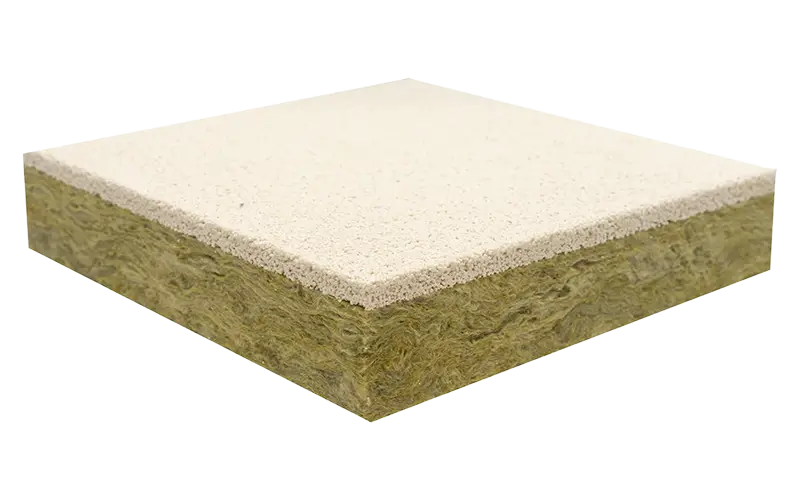
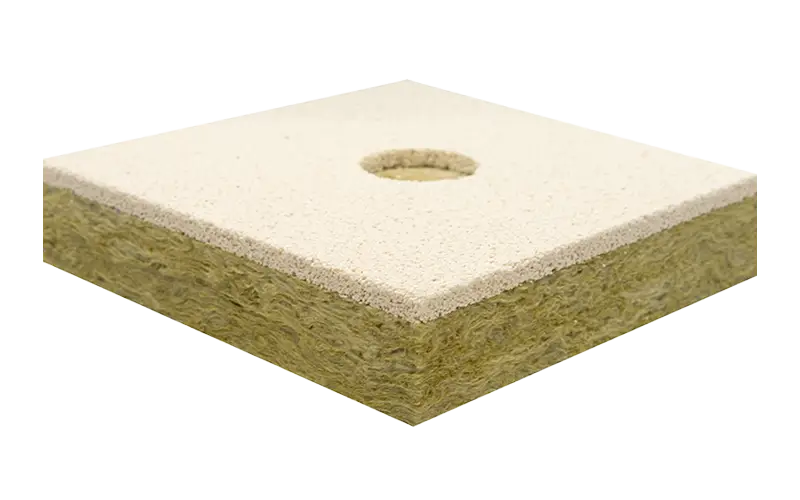
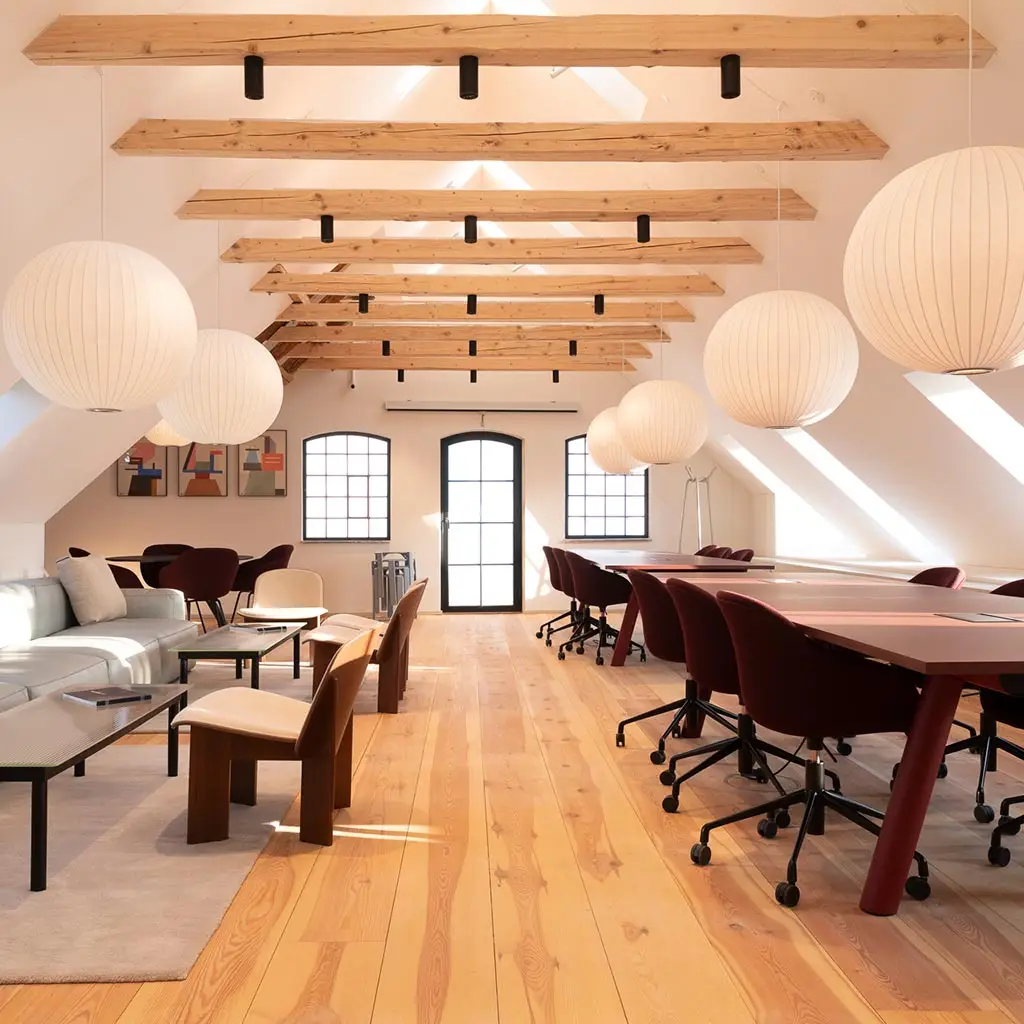
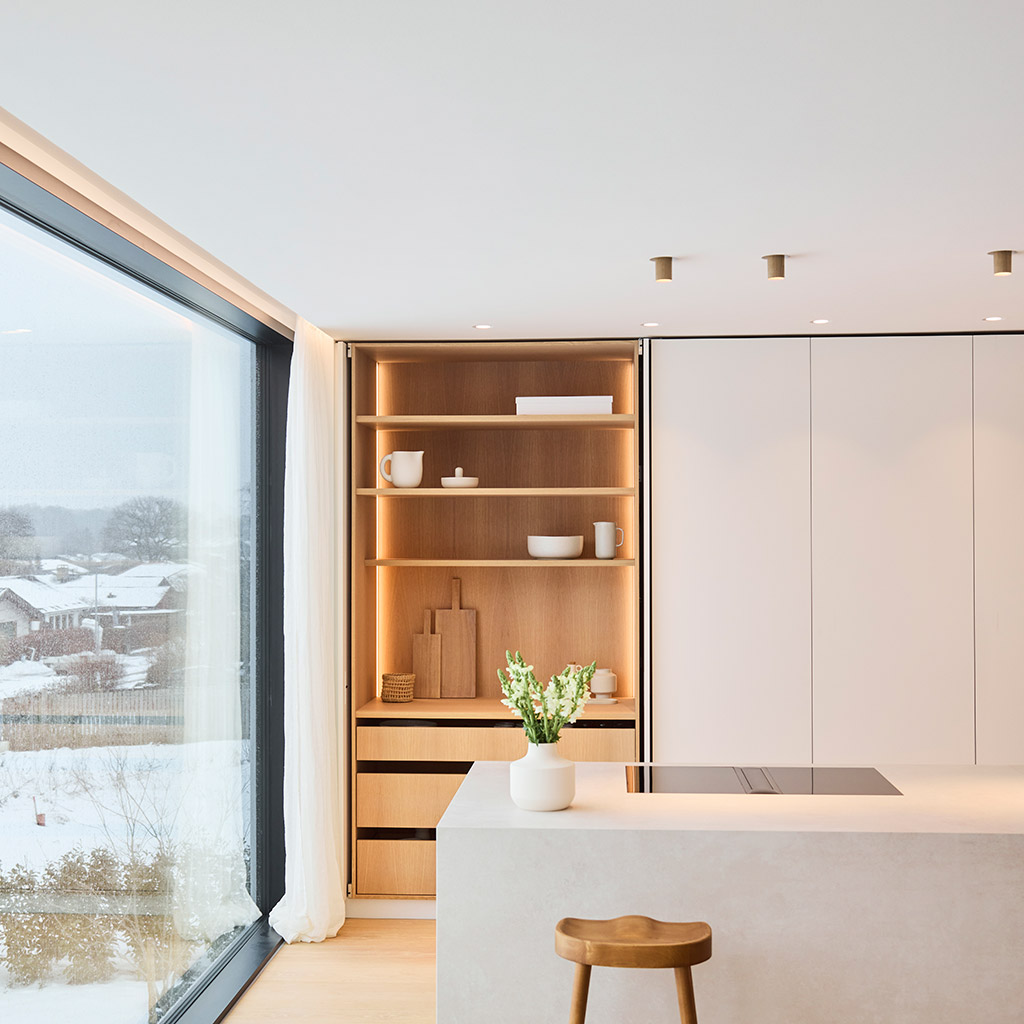
Hz Acoustic Plaster is the spray-applied surface that finishes our acoustic systems. The plaster is acoustically transparent: sound passes through it and is absorbed in the panel behind. It is laid in thin coats across the whole ceiling, so panel joints and filled seams disappear into one continuous surface. The result is a ceiling with no visible seams or joints, which looks like an ordinary painted ceiling but performs like an acoustic ceiling.
Variants
3
Plaster types
Surfaces
Smooth · Textured · Fine
03 · 09 · C
Application
Spray-applied
By an approved installer
PRODUCTS
All three plaster types are spray-applied and give a ceiling with no visible joints. The difference is the surface and the job: 03 is sanded smooth, 09 keeps a lively texture, and C is the mineral-based plaster for colored ceilings and for refreshing existing ones.
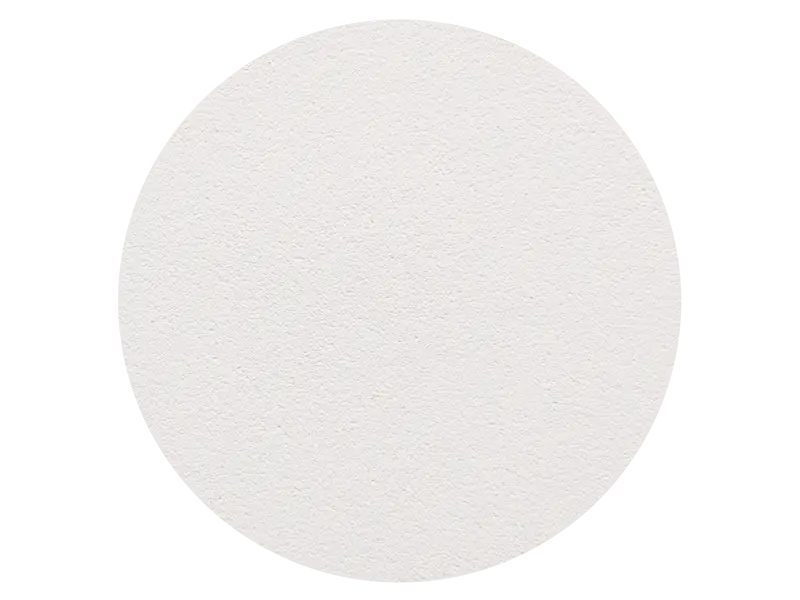
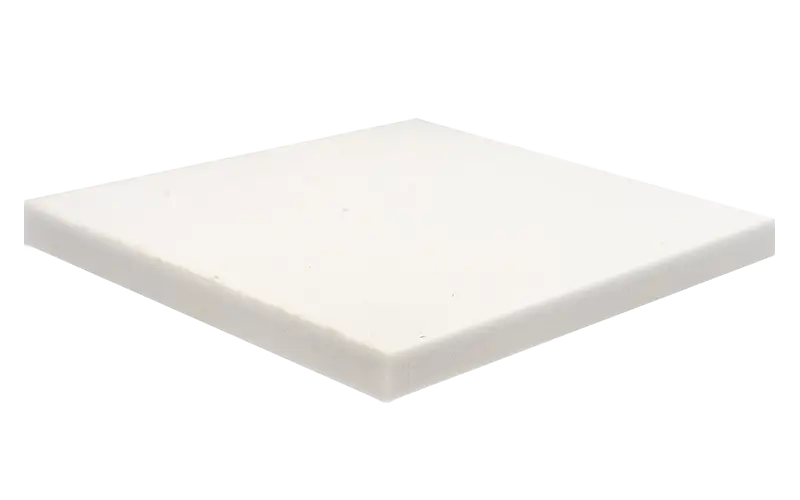
Cellulose fibre-based plaster, sanded to a smooth, even surface. The most used finish when the ceiling should look like a classic painted plasterboard ceiling.
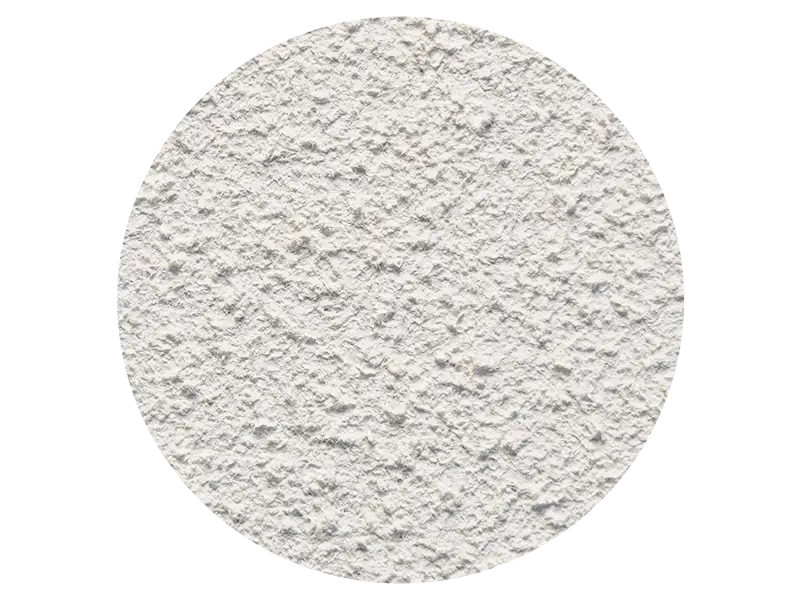
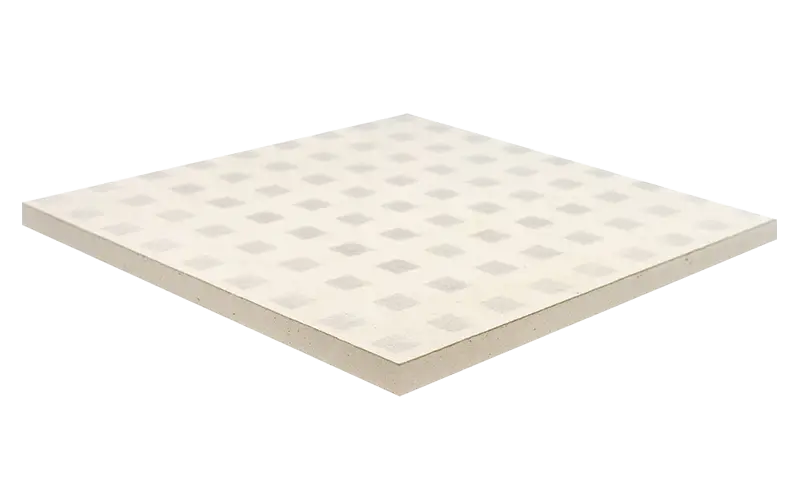
Made with recycled textile waste from a local laundry. The surface keeps a fine, tactile texture that gives the ceiling depth and a quiet play of light.
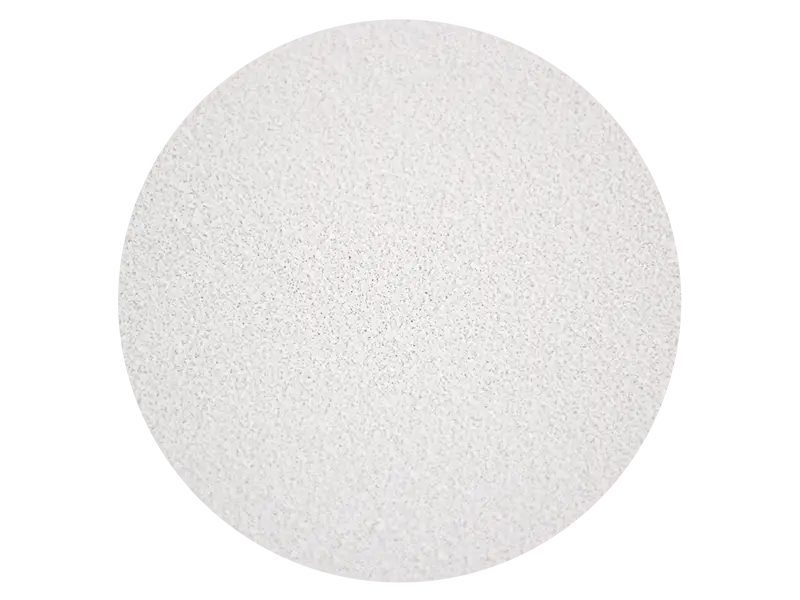
Mineral-based plaster with a fine texture. Used on ceilings that need a color other than white, and for refreshing existing ceilings.
Choose Hz Acoustic Plaster 03 when the ceiling should be smooth and quiet. In homes, hotels, offices and anywhere the ceiling should not draw attention.
Choose Hz Acoustic Plaster 09 when the ceiling should add texture. The fine structure gives the surface a discreet relief and makes the ceiling part of the room’s material palette rather than a neutral finish.
Choose Hz Acoustic Plaster C when the ceiling needs a color other than white, or when an existing ceiling is to be refreshed.
PROPERTIES
A painted ceiling reflects sound back into the room. A plastered Hz ceiling does not, and the reason is that the plaster never closes the surface. Hz Acoustic Plaster is acoustically transparent: it keeps an open, porous structure that the sound waves pass through. The absorption happens in the acoustic panel behind the plaster; in mineral wool, foam or perforated plasterboard, depending on which Hz system the ceiling is built with.
That is also why the plaster must not be painted. Ordinary paint lies as a film over the open surface, closes the pores and reduces the sound absorption. If the ceiling needs a different color, the plaster is tinted – the surface is not painted.
The standard color is NCS S 0300-N. A warm white that keeps its white appearance for many years. All three plaster types can be tinted in most official NCS and RAL colors. It is mainly Hz Acoustic Plaster C that is used for colored ceilings.
All three plaster types can be used in wet areas. Hz ceilings should not be exposed to direct water, such as splashing, as this can change the appearance of the surface.
Unlike most other acoustic plasters, Hz Acoustic Plaster can be repaired without visible traces. The plaster can be repaired, maintained and transformed, and in most cases light sanding is enough.
APPLICATION
The plaster is machine-applied by an approved Hz Acoustic installer. It is not a DIY job: both the acoustic result and the even appearance depend on spraying technique, coat build-up and craftsmanship. See the video below for how an Hz Acoustic ceiling is installed and plastered.
See the whole sequence from battens to finished ceiling – fixing the Hz Plus boards, filling, and applying Hz Acoustic Plaster 03.
SYSTEMS
Acoustic plaster is not a ceiling in itself, it is the finish on an acoustic panel. Which system that panel is depends on the substrate and the shape of the ceiling.
RENOVATION
Acoustic plaster is not only for new ceilings. If the building already has an acoustic ceiling, the plaster can be sprayed straight onto it – no removal, no construction waste. The solution is called Hz Renovare, and the plaster type is chosen to suit the existing ceiling.
The classic case: the ceiling has darkened over the years and may start to shed. Hz Acoustic Plaster 09 is sprayed straight onto it, and the ceiling is white and even again. The color can also be changed, to black for instance.
We regularly refresh ceilings finished with acoustic plaster from other manufacturers. For those we use Hz Acoustic Plaster C, developed for exactly that job, which lays over the existing surface.
FAQ
Do you have a question that is not answered below?
See our general FAQ or contact us directly.
The surface, the material and the job. Hz Acoustic Plaster 03 is cellulose fibre-based and sanded smooth, so the ceiling looks like a classic painted plasterboard ceiling. Hz Acoustic Plaster 09 is made with recycled textile waste and keeps a fine, tactile texture that gives the ceiling depth. Hz Acoustic Plaster C is mineral-based with a fine texture, and is used for ceilings in color and for refreshing existing ceilings.
Very little. The plaster is a surface treatment, sprayed on in two to three thin coats over the acoustic panel. It is therefore the panel that determines the total build-up. With Hz Flex a complete acoustic ceiling can be kept down to 20 mm of panel plus plaster.
Yes. All three types of acoustic plaster can be used in wet areas. Hz ceilings should not, however, be exposed to direct water, such as splashing, as this can change the appearance of the surface.
Yes – and unlike most other acoustic plasters, Hz Acoustic Plaster can be repaired without visible traces. The plaster can be repaired, maintained and transformed, and most of it is handled by sanding. Local damage and marks are lightly sanded, so the repair is not visible afterwards. If the ceiling needs a new appearance, the surface is sanded down and plastered again in the texture or color required, and the transformation works both ways, from 03 to 09 and from 09 to 03. See operation and maintenance under FAQ for day-to-day care.
Yes, with Hz Renovare. The plaster is sprayed straight onto the existing ceiling, which is renewed with no removal and no construction waste. It pays off particularly on wood wool ceilings that have darkened or begun to shed after some years. Those we finish with Hz Acoustic Plaster 09. We also regularly refresh ceilings finished with acoustic plaster from other manufacturers; there we most often use C, so the ceiling keeps its existing appearance.
TECHNICAL DOCUMENTATION
Download product data sheets, LCA documentation and operation and maintenance for Hz Acoustic Plaster below.
OPERATION AND MAINTENANCE
Find an approved Hz Acoustic installer in your area, or contact us directly for advice, sample boxes or a non-binding quote.